




By Andrea Gaymes, MSc.
Counselling & climate psychologist, climate change, natural resource and environmental specialist
Heat can disrupt our lives long before we recognise it as a threat. Sometimes it comes quietly, through restless nights, headaches, short tempers, tired bodies, dry taps, lost work hours, and the feeling that everything takes more effort than it should.
St. Vincent and the Grenadines (SVG) and the wider Caribbean, living and working with rising temperatures, must take heat seriously, especially during El Niño periods. El Niño is part of a natural climate pattern in the tropical Pacific, but it can influence weather far beyond that region, including extreme heat, drought, shifts in rainfall, and pressure on water and food systems.
Scientifically, heat stress happens when the body struggles to cool itself. High temperatures, humidity, low wind, direct sun, physical labour, and dehydration all make this worse. Heat can affect sleep, concentration, mood, blood pressure, hydration, learning, productivity, and safety. In SVG, August and September are usually among the hottest and most humid months, which means families, schools, workplaces, and communities should be prepared.

Heat is not only physical. It is emotional and social. When people cannot sleep, when water is scarce, when cooling bills rise, when crops suffer, and when work continues under dangerous conditions, stress builds in the body and mind. People are not weak because they struggle in extreme heat. They may be dehydrated, exhausted, financially pressured, grieving, anxious, or still carrying the weight of previous disasters. The disruption affects us in many ways.
This is how El Niño can catch us off guard. A few hot days become months. A dry spell becomes rationing. A tired worker becomes an injured worker. A stressed household becomes a tense household. The danger is not only one extreme day; it is the slow build-up of pressure.
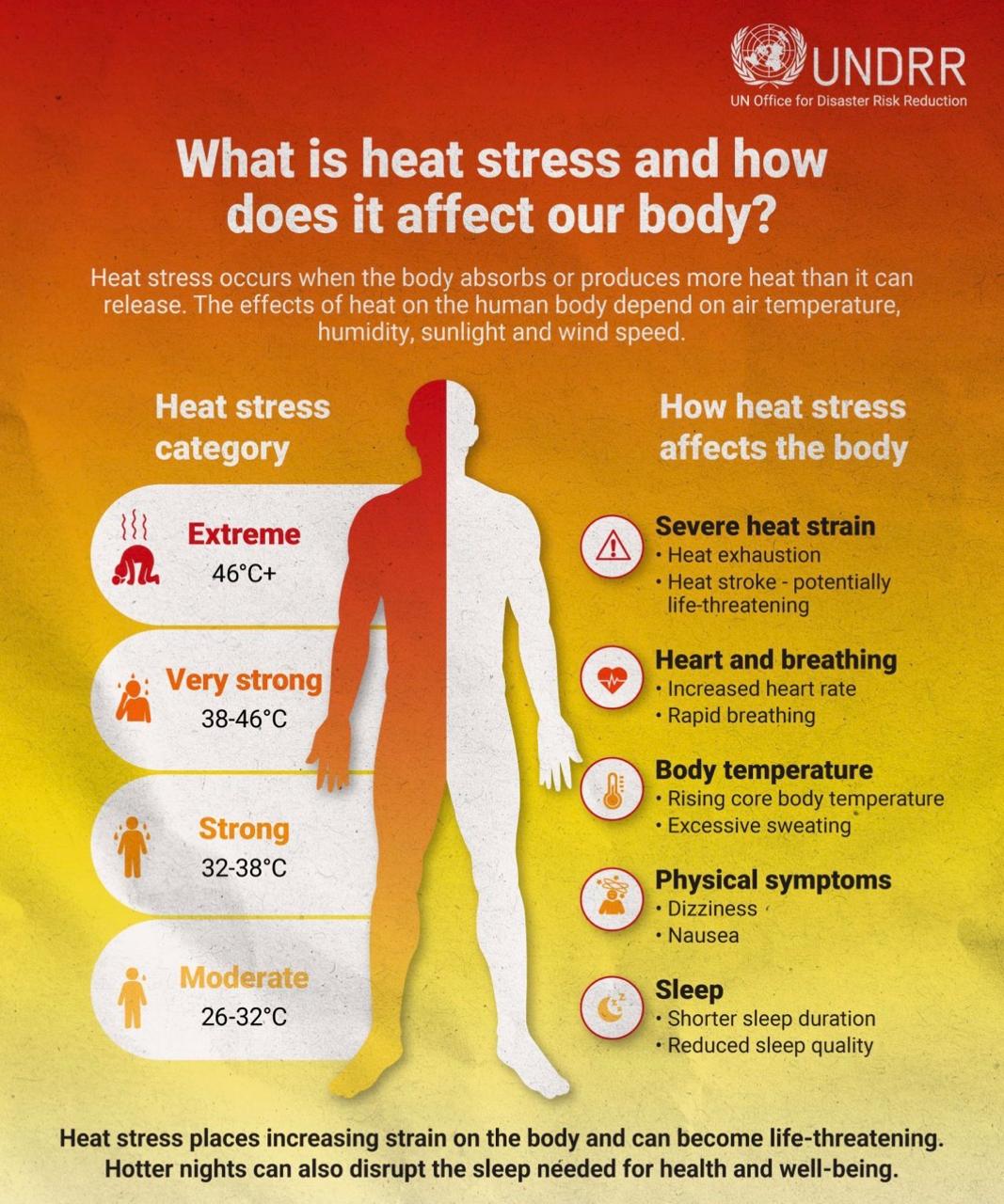
Older people living at home must be a priority during periods of extreme heat, especially those who live alone, have limited mobility, depend on medication, or have conditions such as high blood pressure, diabetes, heart disease, asthma, kidney disease, or memory-related challenges. Some may not easily recognise or report signs of heat illness, including dehydration, dizziness, confusion, weakness, or feeling faint. Heat can also worsen existing health conditions.
During very hot days, relatives, neighbours, churches, clinics, and community groups should check on older persons regularly, ensure they have access to safe drinking water, help keep living spaces cool and well-ventilated, and confirm that they can access food, medication, transport, and emergency support. A simple visit or phone call can help prevent a serious health crisis.
Parents and guardians have a special role in protecting children. Children can overheat faster than adults and may not always explain clearly when they feel dizzy, thirsty, weak, nauseous, or confused. During very hot days, children should drink water regularly, wear light clothing, rest in shaded or cooler areas, and avoid rough outdoor play during the hottest hours. They should never be left in parked vehicles, even briefly. Schools, camps, churches, and sports groups should adjust outdoor activities, allow for rest, and ensure that children have access to drinking water. During El Niño events, a child’s regular outdoor play can become life-threatening if not properly monitored and if the child is not well hydrated.
Heat preparation must also connect to the hurricane season. As a result, storms can bring power outages, damaged roofs, flooding, landslides, blocked roads, contaminated water, and loss of cooling. Families should prepare emergency supplies, secure roofs and loose items, clean drains and gutters, store important documents in waterproof bags, know safe routes, and keep medication, flashlights, batteries, drinking water, and non-perishable food ready. Also, store additional drinking water and portable cooling for the rising temperatures.
Employers also have a duty to protect workers. Workplaces should provide shaded rest areas, cool drinking water, more breaks, buddy systems, and adjusted hours where possible. No worker should have to choose between income and heat illness.
The business sector can help by keeping prices fair on fans, water containers, coolers, hats, shade cloth, tanks, and hydration supplies. Credit unions, employers, and corporate partners can support the development of payment plans, community tanks, cooling spaces, and vulnerable households.
The message is simple: do not wait until the heat breaks the body, the storm threatens the home, or the stress breaks the spirit. Prepare early. Hydrate more. Rest without shame. Check on neighbours. Protect the elderly and children. Protect workers. Listen to warnings. Ask for help.
In this season of heat, drought, storms, and uncertainty, resilience must be more than endurance. It must be care, planning, science, and compassion. Protecting life, health, livelihoods, and peace of mind is not an individual burden alone. It is a shared responsibility.
The opinions presented in this content belong to the author and may not necessarily reflect the perspectives or editorial stance of iWitness News. Opinion pieces can be submitted to [email protected].
Amazing, none of these things or information actually brings financial benefit. But this and sporting activities by juniors are all the news is talking about.
Don’t worry, IWN. You won’t see any comments from me in your paper again.