



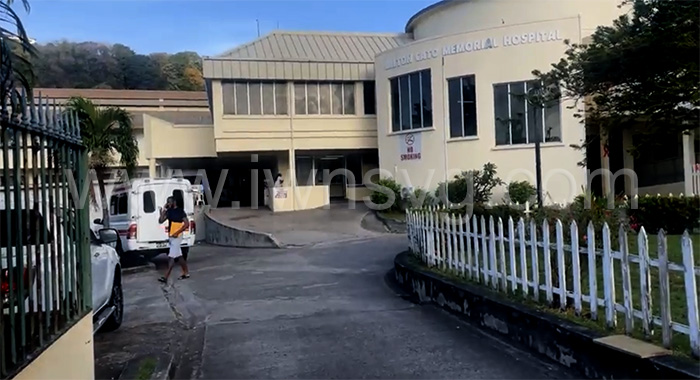

The Ministry of Health, Wellness, Environmental Health and Energy (MOHWEE) said Monday that it has begun contact tracing and placed restrictions on elective surgeries after a drug-resistant bacterium was found at Milton Cato Memorial Hospital (MCMH).
MOHWEE said its routine laboratory and antimicrobial resistance surveillance systems found four patients with wounds infected with a drug-resistant bacterium known as Carbapenem-Resistant Acinetobacter baumannii (CRAB), with the NDM resistance mechanism.
Acinetobacter Baumannii – a type of bacteria that can cause infections, especially in people who are very sick or hospitalised, the MOHWEE said in a press release.
It said Carbapenem-resistant (CRAB) occurs when the bacteria have become resistant to carbapenems, which are powerful antibiotics normally used to treat serious infections.
New Delhi metallo-B-lactamase (NDM) resistance mechanism – the bacteria produce an enzyme called NDM that can break down certain antibiotics, including carbapenems.

“It is important to note at this time that the term ‘resistant’ means that some antimicrobials, including antibiotics normally used to treat serious infections, may no longer work effectively against it,” the press release said.
“This can make infections more difficult to treat, but it does not mean that treatment is impossible.
“The detection of these cases does not mean that members of the general public are at immediate increased risk. This detection has triggered our response to further detect, contain and reduce the spread within the hospital setting,” the ministry said.
In addition to contact tracing and restricted elective surgeries, measures being undertaken include enhanced infection prevention and control practices, continued laboratory and environmental testing and antimicrobial resistance surveillance.
The ministry is also reviewing possible epidemiological links between the cases as well as instituting environmental and equipment cleaning and sanitation and monitoring for any additional cases.
“Antimicrobial resistance is a growing global public health concern. It occurs when bacteria and other microorganisms develop the ability to survive medicines that were previously effective against them,” the ministry said.
“This can make infections more difficult to treat and reinforces the importance of using antimicrobials, including antibiotics, responsibly and only as prescribed by a healthcare professional.”
The ministry said it understands that information regarding drug-resistant organisms can cause concern.
“However, the detection of these cases demonstrates the importance of the surveillance systems that are in place to identify unusual patterns early and allow public health teams to investigate and respond,” the press statement said.
“The Ministry of Health, Wellness, Environmental Health and Energy administrative team, together with the management and clinical teams at the Milton Cato Memorial Hospital, will continue to closely monitor the situation and implement the necessary measures to protect patients, healthcare workers and the general public.”
MCMH should be shut down immediately. What is going on with the new hospital at Arnos Vale?
Cummings, you are dragging your feet. Close down the MCMH.
There is a drug resistant bacterium threat in the US and Caribbean coming from the Sargassum seaweed on the beaches and in the sea. The Sargassum is loaded with it. Do not touch it, wade, paddle, swim or walk in it. Anyone cleaning it from beaches should wear protective clothing. The name is Vibrio, if you have a pinprick size wound anywhere on your body it will enter and be life threatening within days.