




By Theophilus Winston Franklyn
According to World Statistics, more than 80% of the world’s population, and 99% of those in the United States, live under polluted skies
Light pollution can be defined as the excessive, misdirected, or misused use of artificial lights at night. In St. Vincent and the Grenadines, light pollution is seldom reported, hence the low levels of education and prevention.
Some examples of light pollution may occur due to glare, which is defined as brightness that causes visual discomfort and may reduce low visibility, light trespass, which may be termed as unwanted lights where it is not permitted or authorised, such as in private dwellings, and clutter, which is a grouping of lights that may be excessive and confusing.
Thus, this article will shed light on its impacts, causes, and preventive measures to reduce light pollution.

Light pollution, along with many other forms of pollution, can be detrimental to humans and animals alike. Light pollution can affect humans in many ways, for example, by causing sleep deprivation.
Humans require a minimum of eight hours for optimum health. Without sleep, humans become irritable and may not function optimally during daily activities, hindering their overall well-being.
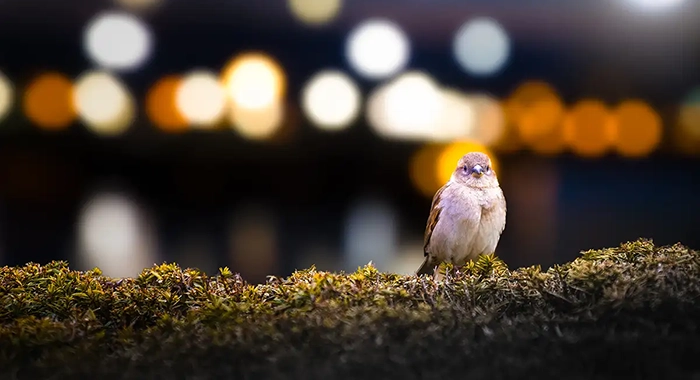
Additionally, light pollution can disrupt ecosystems, hindering some crops and causing food insecurity for many. Although light is essential for photosynthesis and pollination, too much light can damage plants and retard growth and development. Further, too many artificial light sources can destroy wildlife. These creatures, like human beings, need light to procreate and live peacefully within their natural environment. For example, artificial light can negatively impact turtle nesting and migratory birds.
Light pollution has many causes, including street lights, commercial lights, and industrial sites. Commercial lighting contributes to light pollution in many instances, such as excessive signage. Street lights may contribute when they are engineered or designed for their location, or when they are poorly or excessively posted.
In St. Vincent and the Grenadines, street lights help reduce crime in some areas, but they may be excessive in others.
Some ways in which light pollution can be prevented are:
- Homeowners, commercial buildings, and sites can revert to using LED lights. They may emit less energy, thereby reducing heat in some areas. LED lights, for example, were introduced by the Energy Unit in St. Vincent, and recently, they have become the norm for both domestic and commercial use on the island.
- Legally, pollution such as this falls under policies such as Public Health and Environmental Health, in which light must be measured in proper foot-candles or lux, a measurement of lighting and illumination
- Residents may ask, what local policies exist in St. Vincent and the Grenadines to control light pollution, and how can they participate or advocate for better regulations? Clarifying this can motivate community action and policy support.
- Education is vital for everyone in St. Vincent and the Grenadines; understanding light pollution helps us all protect our environment and health.
Reducing light pollution is a shared effort that benefits our community, wildlife, and environment, encouraging everyone to participate.