




There is an old saying: “throw sprat to catch whale”. In the case of our education system, the whale caught is not a prize but a problem of immense weight.
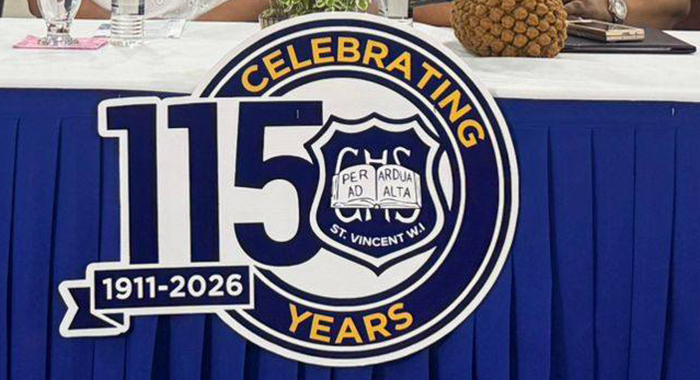
The recent debate surrounding Girls’ High School (GHS) revealed more about our discomfort with critique than about the school itself.
Some readers understood the central point: that oversight is urgently needed in our schools. Others used the opportunity to air grievances specific to GHS. Too many, however, dismissed the critique outright, attacking the messenger rather than engaging with the message.
And the message is clear: the education system in St. Vincent and the Grenadines is failing. Oversight is weak, policies are outdated, and the Ministry of Education has not fulfilled its duty to review, monitor, and evaluate as required under the Education for All policy of 2002.
When was the last review conducted? More importantly, how is policy being implemented to ensure that students emerge as critical thinkers, capable of thriving in adulthood?

Former students note that GHS resembles the Grammar School of four decades ago. Tradition can be valuable, but when it calcifies into rigid class structures, narrow definitions of success, and exclusionary practices, it becomes a barrier to both individual growth and national development.
At GHS, this reality is evident:
• Bullying by students and, at times, teachers
• Favouritism toward children of wealthier parents
• Prefect eligibility tied to financial ability to attend extracurricular events
• Overseas learning opportunities priced beyond the reach of less affluent families
• Graduation ceremonies costing upwards of $120,000, forcing parents into debt
These practices fracture self-esteem, entrench inequality, and erode values. They also contribute to broader societal stress, including rising mental health concerns.
Yes, GHS has produced outstanding alumni. But is that success due to the system itself, or to parental involvement and individual ambition? The school houses top female CPEA performers, yet the question remains: Does its curriculum prepare students for life beyond the classroom?
The statistics are sobering. In 2015, unemployment stood at 22.5%. With a population of 110,000, national debt exceeding $3 billion, and a high murder rate, St. Vincent and the Grenadines cannot afford an education system that produces graduates who are “qualified” but not equipped. Employers complain that many school-leavers lack both skills and attitude for the workplace. Some even struggle with basic tasks like filling out a passport form.
Graduation rates and subject passes are paraded as markers of success, but entitlement without merit breeds corruption and stagnation. What we need is not just more graduates, but citizens capable of contributing meaningfully to national development.
The conclusion is unavoidable: our education system requires consistent oversight, enlightened analysis, and urgent reform. Before dismissing the critique, let us confront the message. The future of our children, and our nation, depends on it.
The Same Critical Observer
The opinions presented in this content belong to the author and may not necessarily reflect the perspectives or editorial stance of iWitness News. Opinion pieces can be submitted to [email protected].
The young ladies haven’t discovered wigs yet.