



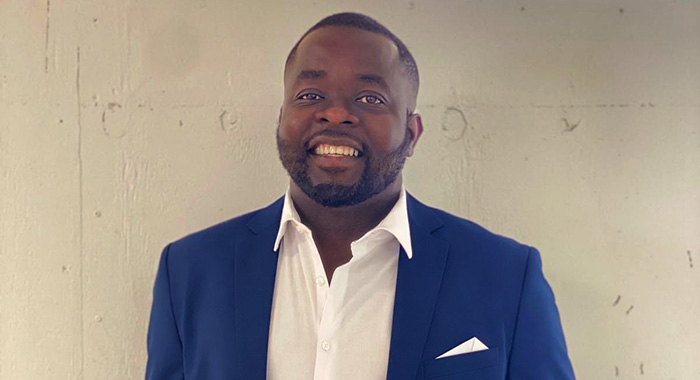

By Kenrick Quashie
For far too long, our national conversation about development has been trapped between two extremes. Whenever a major project needs financing or a national asset requires modernisation, we are told that there are only two options.
We either invite a foreign investor to come in and take control, often extracting significant profits for decades, or have the government borrow heavily and place the burden on taxpayers through increased public debt. It is a false choice that has limited our imagination and constrained our development.
The proposed 30-year agreement with Global Ports Holding (GPH) for the operation of the Kingstown Cruise Port has understandably generated significant public discussion. These discussions must always be welcomed and encouraged. In fact, I commend the Friday-led government for bringing the proposal to the public at the memorandum of understanding (MOU) stage rather than presenting Vincentians with a completed deal after all the major decisions had already been made.
Whether one ultimately supports or opposes the arrangement, inviting public scrutiny before a final agreement is reached represents a refreshing departure from what many of us became accustomed to during the tenure of the previous administration.
More importantly, the debate itself reminds me of two important observations made by Jomo Thomas and Ambassador Kevin Hope and how there may actually be a way to reconcile both.

Thomas has repeatedly warned us about what he describes as the “fire sale” approach to development, where small states surrender too much of their national assets and future wealth in exchange for immediate capital.
At the same time, Ambassador Kevin Hope has been speaking frankly about our fiscal realities. With debt servicing consuming a significant portion of government revenues, the state’s ability to finance major infrastructure projects through borrowing is becoming increasingly constrained.
Both men are right! The challenge for SVG is that we cannot afford either extreme. We cannot shut the door on foreign capital and expertise because we do not possess all the resources required to modernise and expand our economy on our own.
Yet we also cannot continue a model where development largely benefits foreign investors while Vincentians remain employees, consumers, and spectators. That is why I believe the most important aspect of the proposed arrangement is not the lease itself, but the opportunity for Vincentian ownership.
The provision allowing for up to 30% Vincentian participation through a special purpose vehicle (SPV) may very well be the most transformative component of the entire agreement. It represents a recognition that development should not merely create jobs for our people; it should also create ownership for our people.
For generations, our relationship with development has been largely passive. Governments negotiated agreements. Foreign companies invested. Projects were built. Jobs were created. We applauded from the sidelines and hoped some of the benefits would trickle down.
Perhaps the time has come to think differently. Why should Vincentians not own shares in major tourism projects? Why should our diaspora not own stakes in marinas, renewable energy facilities, agro-processing plants, logistics hubs, and other strategic assets? Why should ownership of wealth-generating infrastructure always be concentrated in government hands or foreign boardrooms?
The Vincentian diaspora sends hundreds of millions of dollars home every year. Those remittances help families survive, educate children, build homes, and weather difficult times. Consider a St. Vincent where a portion of that capital could be organised and invested in productive assets that generate returns year after year.
Imagine thousands of Vincentians at home and abroad owning shares in the very projects that shape the future of the country. This is a practical way to build wealth and to amass generational wealth.
This approach would strengthen economic independence and help ordinary people move from being beneficiaries of development to becoming participants in it.
Of course, none of this eliminates the need for vigilance. The final agreement must be carefully scrutinised. As the chairman of GPH himself said during the signing of the MOU, “the devil is in the details”. The details matter. The protections granted must be measured. The governance structure put in place must be fair. Public discussion must therefore continue.
As we debate the specifics of this proposal, however, let us not lose sight of the bigger opportunity before us. The real question is not whether Global Ports Holding should operate the port.
The real question is whether this agreement can become the blueprint for a new developmental model that balances foreign investment with local ownership, reduces reliance on public debt, mobilises diaspora capital, and allows Vincentians to accumulate wealth through equity rather than dependence.
If that happens, then the greatest legacy of this agreement may have very little to do with ships, ports, or cruise passengers. Its greatest legacy may be that it taught us how to become owners.
The opinions presented in this content belong to the author and may not necessarily reflect the perspectives or editorial stance of iWitness News. Opinion pieces can be submitted to [email protected].